Explore the Beautiful Types of Flowers and Their Secrets
Types of Flowers: A Comprehensive Guide
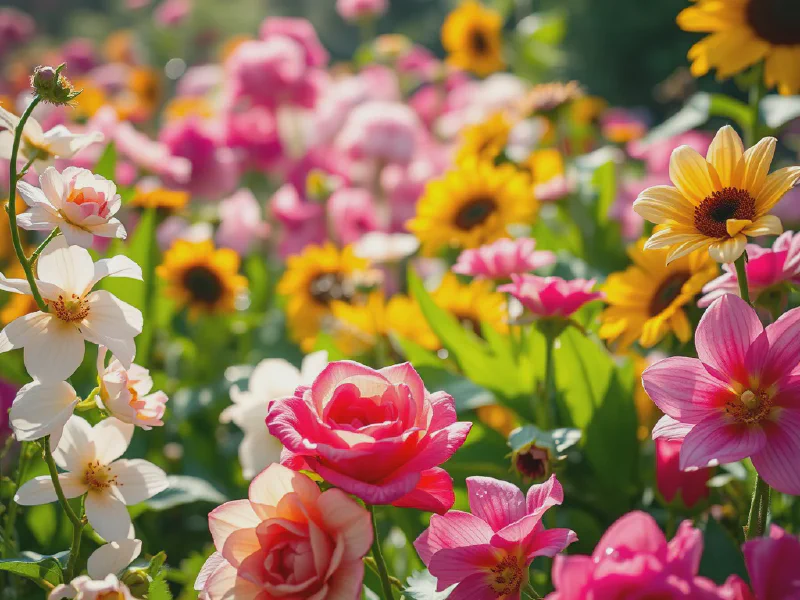
Flowers are one of nature's most beautiful gifts, showcasing vibrant colors, unique shapes, and delightful fragrances. With thousands of species worldwide, the diversity of flowers is vast and fascinating. Understanding the various types of flowers can help garden enthusiasts, floral designers, and nature lovers appreciate their beauty and significance. In this article, we will explore the different types of flowers, their characteristics, meanings, and care tips, highlighting the rich world of floral diversity.
When categorizing Types of Flowers, they can be divided based on their life cycles—annual, perennial, and biennial flowers, as well as wildflowers. Annual flowers complete their life cycle in a single growing season and are often celebrated for their bright and dynamic displays. Perennial flowers, on the other hand, live for several years, providing consistent blooms and greenery, while biennial flowers take two years to complete their life cycle, blooming in the second year. Wildflowers play a critical role in ecosystems, promoting biodiversity and supporting local wildlife.
Apart from these common classifications, there are also exotic Types of Flowers that stand out for their unique characteristics and adaptations. Many of these flowers thrive in specific environments and are often sought after for gardens and landscapes due to their rare beauty. Some examples include tropical flowers, orchids, and carnivorous plants, each with distinct traits that captivate flower enthusiasts and collectors alike.
Understanding the meanings and symbolism behind flowers adds another layer of appreciation to their beauty. Different flowers hold various meanings across cultures and contexts. For example, roses often symbolize love, while lilies are associated with purity. The cultural significance of flowers unfolds through literature, art, and traditional practices, where they serve as powerful symbols of emotions, celebrations, and even healing properties in traditional medicine.
Finally, cultivating a thriving flower garden requires knowledge and care. Understanding the best soil types, watering and sunlight requirements, pruning techniques, and pest control strategies is essential for optimal growth. Whether you're planning a special occasion or nurturing a personal garden, knowing how to care for flowers will enhance their beauty and longevity.
Common Types of Flowers
Annual flowers, such as petunias, marigolds, and zinnias, are celebrated for their vibrant colors and prolonged blooming periods. These flowers germinate and bloom in a single season before dying off, making them a popular choice for seasonal gardens. Their ability to produce seeds allows gardeners to sow again each year, ensuring a continuous cycle of color.
Perennial flowers, like daisies, peonies, and irises, are known for their longevity, often returning year after year with minimal maintenance. They can adapt to various climates and types of soil, with some varieties providing lush foliage and striking blooms. Their diverse range means there's a perennial option for almost every garden setting.
Biennial flowers, including hollyhocks and foxgloves, require two growing seasons to complete their cycle. They usually grow foliage in the first year and produce flowers in the second year, often exceeding expectations with stunning blooms. Their unique growth duration makes them a fascinating addition to gardens, creating a plant diversity that captivates the eyes.
Wildflowers play a crucial role in preserving local ecosystems and supporting pollinators. Varieties like black-eyed Susan and bluebonnets naturally thrive in the wild, bringing beauty to natural landscapes. Their presence enhances biodiversity and serves as a valuable resource for wildlife, making them essential to the environment.
Exotic Types of Flowers
Tropical flowers, such as hibiscus and plumeria, thrive in warm, humid environments. Their vibrant colors and unique shapes make them highly sought after in tropical and subtropical gardens. Many tropical flowers are not only beautiful but also have cultural significance in various regions, often used in traditional ceremonies and celebrations.
Rare orchids, known for their exquisite beauty and elaborate structures, are often the envy of collectors worldwide. With over 25,000 species, orchids come in a plethora of colors and patterns, each one more stunning than the last. Their beauty, alongside specific habitat requirements, makes them both a reward and a challenge for dedicated growers.
Carnivorous plants, like the Venus flytrap and pitcher plant, have adapted unique traits that allow them to thrive in nutrient-poor soil by capturing and digesting insects. Their intriguing mechanisms for attracting and trapping prey make them a curious and exciting addition to any garden, highlighting the diversity of flower types even within the plant kingdom.
Unusual flowers from around the world, such as the corpse flower and the Rafflesia, often capture interest with their bizarre shapes and scents. These unique plants showcase the vast diversity of the flowering world, proving that beauty can come in many different forms, not limited to traditional designs.
Flower Meanings and Symbolism
Flowers carry rich meanings, deeply rooted in cultural traditions and personal sentiments. For instance, roses are often associated with love and passion, while lilies represent purity and renewal. Understanding these meanings helps convey emotions and intentions, enhancing the gift-giving experience.
Seasonal flowers hold significant cultural importance, particularly during celebrations and holidays. For instance, poinsettias are synonymous with Christmas, while sunflowers symbolize warmth and happiness during summer. These floral traditions accompany various festivities, evoking feelings of joy and togetherness.
Flowers also occupy a prominent space in literature and art, often representing broader themes such as love, beauty, and the cycle of life and death. The use of flowers as symbols adds depth to literary works and artistic expressions. Their presence often signifies moments of joy, heartbreak, or reflection, making them powerful tools of communication in storytelling.
Additionally, many flowers possess healing properties and have long been utilized in traditional medicine. For instance, chamomile is used for its calming effects, while lavender can be soothing. These attributes highlight the multifaceted nature of flowers, emphasizing their roles beyond mere aesthetics.
Flower Care and Cultivation
To cultivate healthy flowers, it's vital to understand the best soil types suitable for specific plants. Well-draining soils enriched with organic matter are usually ideal, as they provide essential nutrients while preventing root rot. Conducting soil tests can help gardeners tailor their soil mix to the flowers they wish to grow.
Watering and sunlight requirements vary across different flower types, so researching individual preferences is crucial. Most flowers prefer consistent watering but avoid waterlogged conditions. Similarly, understanding the light requirements—whether full sun or partial shade—ensures healthy growth and vibrant blooms.
Pruning techniques play a significant role in maintaining healthy flowers. Regular deadheading encourages further blooming, while seasonal pruning can help shape the plants and promote vigorous growth. Each flower species may have specific pruning timing, and learning these schedules can greatly enhance garden appearance.
Pest control is an essential aspect of flower care, preventing diseases and infestations that can damage or kill plants. Using natural remedies, like neem oil, or introducing beneficial insects can effectively manage pests while minimizing chemical usage, promoting a healthy garden ecosystem.
Flowers for Special Occasions
Wedding flowers hold tremendous significance, symbolizing love, celebration, and new beginnings. Bouquets, centerpieces, and floral decorations enhance the beauty of wedding venues, playing a crucial role in setting the mood for the occasion. Popular selections often include roses, peonies, and lilies.
Flowers for funerals and memorials express sympathy and honor the departed. White lilies and chrysanthemums are often used, carrying meanings of purity and grief. Choosing appropriate flowers can provide comfort and solace during difficult times, serving as a beautiful tribute to lost loved ones.
Birthday flowers are a heartfelt way to celebrate someone's special day, with different flowers signifying various attributes. For instance, gerbera daisies represent cheerfulness and joy, making them fitting birthday gifts that convey heartfelt wishes for the recipient's happiness.
Lastly, seasonal flowers add charm to holidays and celebrations, such as tulips in spring or chrysanthemums in fall. Embracing these seasonal blooms not only enhances festive decor but also provides an opportunity to connect with nature and celebrate its beauty throughout the year.